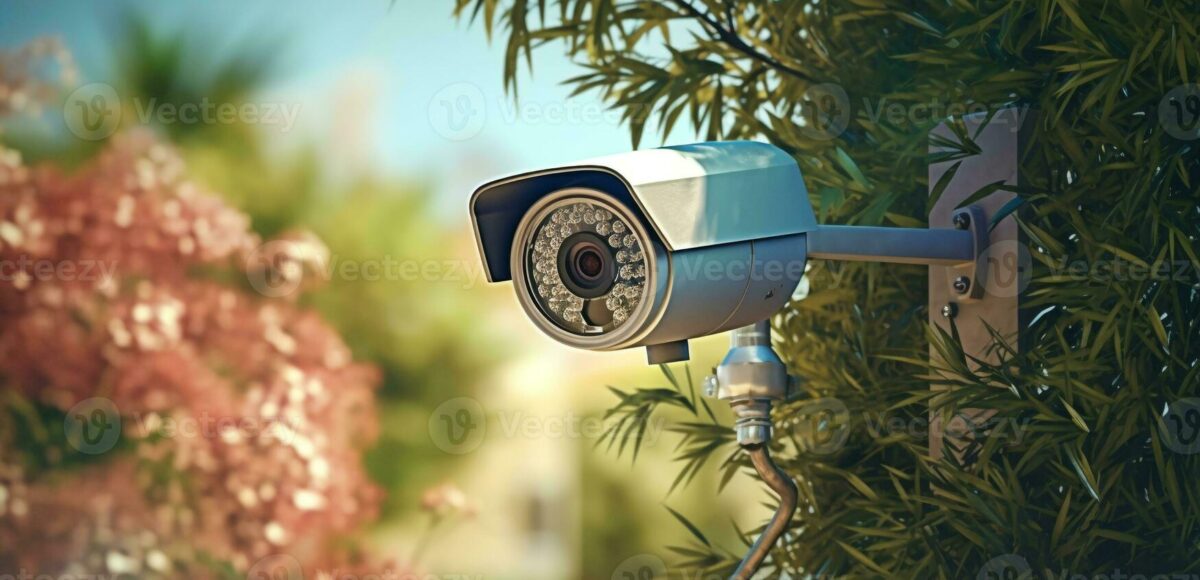
Why is it Useful to have Security Systems in Schools?
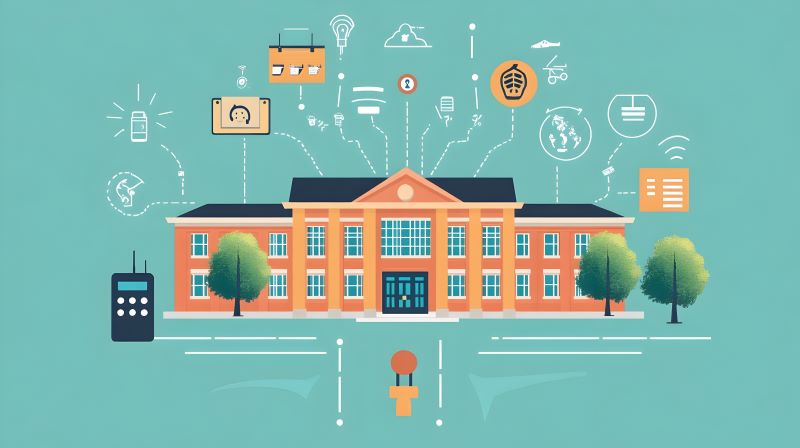
Having security cameras in schools is a useful source because they can help create a safer and a more secure learning environment for students, staff, and visitors. By using tools such as cameras, access control, alarms, and emergency communication systems, they can help schools prevent unauthorized entry, prevent harmful behavior, and respond quickly to potential threats. Having these systems throughout schools can also help staff monitor activity, manage emergencies more effectively, and provide reassurance to parents and the school community. Overall, having security systems can help support not only physical safety but also a sense of stability that allows all students to focus on learning without unnecessary worry.
- Having security cameras in schools helps increase student and faculty safety with monitoring different entrances, hallways, and outdoor spaces.
- Lowers the risk of having vandalism, theft, and bullying.
- Reduces workload for staff by monitoring areas they can’t supervise.
Pros and cons

- Strengthens overall school safety and preparedness.
- Improves overall school climate by encouraging responsible behaviour.
- Increases parents’ trust that the school is taking safety seriously.
- Supports faster emergency response, helping police or administrators understand situations quickly.
Cons
- High cost: Installing and maintaining modern security systems can be expensive for schools and districts.
- Can impact trust if students feel they are being watched rather than supported.
- Having too many cameras may make the school feel like a “policed” environment rather than an educational one.
- Technical problems: Cameras can fail, break, or produce low-quality footage, which limits usefulness.
How Does it Affect Student Safety?
Having security systems can affect students safety by reducing risks and improving the schools ability to respond to all emergencies that can come up. For example, having controlled entry systems help unauthorized individuals not being able to access the building, while cameras can help prevent bullying, vandalism, or dangerous behaviour. Having alarm systems around the schools and communication tools help allow the staff to react quickly during incidents such as intruders, fires, or medical emergencies, which can help protect students from harm. When schools invest into systems that work well for these environments, it can help create a safer environment where students can feel more secure and can focus better on learning.
- Creates a safer environment: When students feel the school is secure, they’re more relaxed and focused, which supports well-being.
- Cameras can help provide evidence when incidents occur:
- who was involved
- what happened
- where is it happening
- how did it occur (who started it)
The Loss of Privacy
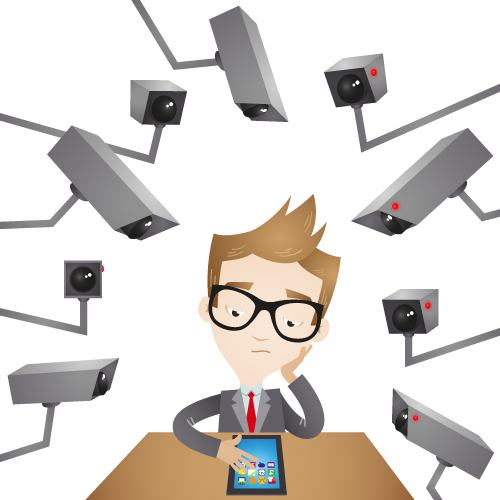
While having the use of security systems in schools can create concerns about the loss of privacy with having cameras and monitoring tools, it can make students feel like they are constantly being watched. But having these systems are meant to protect all students and staff, but they are in schools to help collect information about their movements and behaviour, which makes some people believe that it is intrusive. If cameras are not managed carefully, surveillance can make students uncomfortable or lead them to feel less trusted in the learning environment. That is why schools should have a balance of safety with privacy by placing cameras only in the public areas, limiting who is able to access the footage, and clearly explaining why these systems are being used throughout the school. When having privacy protections are in place, it can help schools improve safety without making students feel overly monitored.
- Privacy concerns: Students and parents may feel uncomfortable being recorded, especially in hallways or public spaces.
- It can lead to less trust between students and staff, affecting relationships and the overall atmosphere.
- This can also affect teachers: it can impact teaching style, classroom flexibility, and staff sense of professional trust.
Sorry, but comments are not enabled on this site.